If you picture coastal living as a full-time vacation, Coastal Boynton Beach may surprise you in a good way. You get real access to the water, a steady flow of outdoor activities, and everyday conveniences that make life feel practical, not just scenic. If you are trying to decide whether this part of Palm Beach County fits your lifestyle, this guide will help you understand the rhythm of daily life here. Let’s dive in.
Coastal Boynton Beach at a glance
Coastal Boynton Beach is a 16.5-square-mile coastal community in southeastern Palm Beach County. It stretches along four miles of the Intracoastal Waterway and includes one of the county’s four ocean inlets.
That geography shapes daily life in a big way. You are not just near the beach. You are living in a city with waterfront access, marina activity, parks, conservation land, and year-round outdoor events woven into the local routine.
Beach access is part of the lifestyle
For many buyers, the first question is simple: how easy is it to get to the beach? In Boynton Beach, the main municipal beach is Oceanfront Park, located just south of the city in Ocean Ridge at 6415 N Ocean Blvd.
The beach is open year-round from sunrise to 9 p.m., and lifeguards are on duty daily from 9 a.m. to 5 p.m. The city also notes accessible features at the central entrance, including a ramp and beach wheelchairs, which can make visits easier for more residents and guests.
That said, beach living here still comes with a little planning. Parking at the beach is $3.50 per hour, and the city prohibits back-in parking and parking on the grass, so even a casual beach day usually involves checking the clock and planning your arrival.
The waterfront goes beyond the sand
One of the best parts of living in coastal Boynton Beach is that the waterfront experience is broader than just beach time. The Boynton Harbor Marina, located about half a mile south of the Boynton Inlet, adds another layer to everyday life near the water.
At the marina, you will find fishing charters, drift fishing, scuba diving charters, jet-ski rentals, boat rentals, parasailing, Intracoastal cruises, and waterfront dining. That gives the area a more active boating-and-dining feel than a typical beach-only destination.
If you enjoy having options, this matters. You can spend one day at the beach, another on the water, and another having dinner near the marina without leaving the area.
Parks and outdoor recreation stay in the mix
Coastal Boynton Beach is not limited to the oceanfront. The city says it operates 29 parks, nine recreation centers, a swimming pool, and a municipal beach, which gives you a much wider menu of outdoor activities.
That variety can make daily life feel more balanced. You are not relying on a single attraction to enjoy where you live. Instead, beach time can sit alongside neighborhood parks, rec programs, and casual outdoor outings throughout the week.
The city is also working toward more walkable and bike-friendly amenities. Its strategic plan highlights parks maintenance, additional recreation investment, and a broader push toward quality-of-life improvements across the city.
A pet-friendly coastal routine
If your lifestyle includes a dog, Boynton Beach offers a few useful features. The city lists Intracoastal Park as a leash-allowed park, which adds another option for getting outside close to the water.
The city also hosts Oceanfront Bark events at Oceanfront Park on select Saturdays from November through February. During those events, parking fees are waived, which can make those outings a little easier to enjoy.
For pet owners, that adds a nice layer to the area’s outdoor appeal. It suggests the local lifestyle supports more than just beachgoers and boaters.
Community events add energy
A coastal location can sometimes feel quiet in ways that are not always convenient or engaging. Boynton Beach stands out because the city and Community Redevelopment Agency support year-round outdoor events that help give the area an active civic calendar.
Examples include Pirate Fest and the International Kinetic Art Exhibit and Symposium. These kinds of recurring public events can make the coastal core feel more connected and lively, rather than just scenic.
That is worth noting if you want a place with activity beyond restaurants and waterfront views. Community programming can make it easier to feel part of the area after you move.
Dining and shopping feel practical
One reason Coastal Boynton Beach appeals to full-time residents is that it is not just a resort-style strip. According to the city’s overview, residents have access to waterfront dining, abundant shopping, lively entertainment, hundreds of restaurants, outdoor lifestyle shopping centers, and a regional mall.
In practical terms, that means your daily routine can stay local. You can run errands, meet friends for dinner, and handle the basics of day-to-day life without constantly driving to another city.
The marina area adds another dining pocket with restaurants and bars near the water. That helps create a lifestyle where grabbing dinner with a waterfront view can feel like a normal weeknight option, not a special occasion.
The area is still evolving
Another important part of the local picture is that coastal Boynton Beach is not standing still. The city’s strategic plan points to a more vibrant Marina District, more experience-based entertainment businesses, and additional outdoor venues for events and festivals.
For buyers, that signals ongoing momentum. While no one can promise exactly how an area will change, city priorities show that the coastal core is being actively shaped around lifestyle amenities and public experience.
That can matter if you are looking for a place with both current appeal and future potential. It also helps explain why Boynton Beach draws attention from buyers who want more than just proximity to the water.
Getting around is improving, but still car-first
Transportation is one of the biggest realities to understand before you move. Coastal Boynton Beach is working toward a more connected, multimodal layout, but today the area is still best understood as car-first.
The Boynton Beach Boulevard corridor project was designed to improve connections heading east from I-95 toward Federal Highway/US-1. Features include widened sidewalks, decorative lighting, bicycle accommodations, and support for mass transit, all aimed at making the city center more walkable and connected.
That is a positive sign, but most residents will still find that having a car makes daily life easier. The area has useful transportation support, though, especially for certain commute patterns.
Rail and bus options support local travel
If you commute or want alternatives for some trips, Boynton Beach does offer rail and bus connections. Tri-Rail’s Boynton Beach Station is located at 2800 High Ridge Road and can be reached from I-95 via the Gateway Boulevard exit.
The station offers free parking for the commuting public and connects with Palm Tran routes 70, 71, and 73. For some residents, that can provide a practical option for regional travel without driving the whole way.
Palm Tran route 73 links local stops including Boynton Beach and Federal, Boynton Beach Mall, Boynton Beach and Military, and Bethesda Hospital West. In everyday terms, that makes bus service more useful for corridor travel and transfers than as a full replacement for a car.
Housing near the water comes in different forms
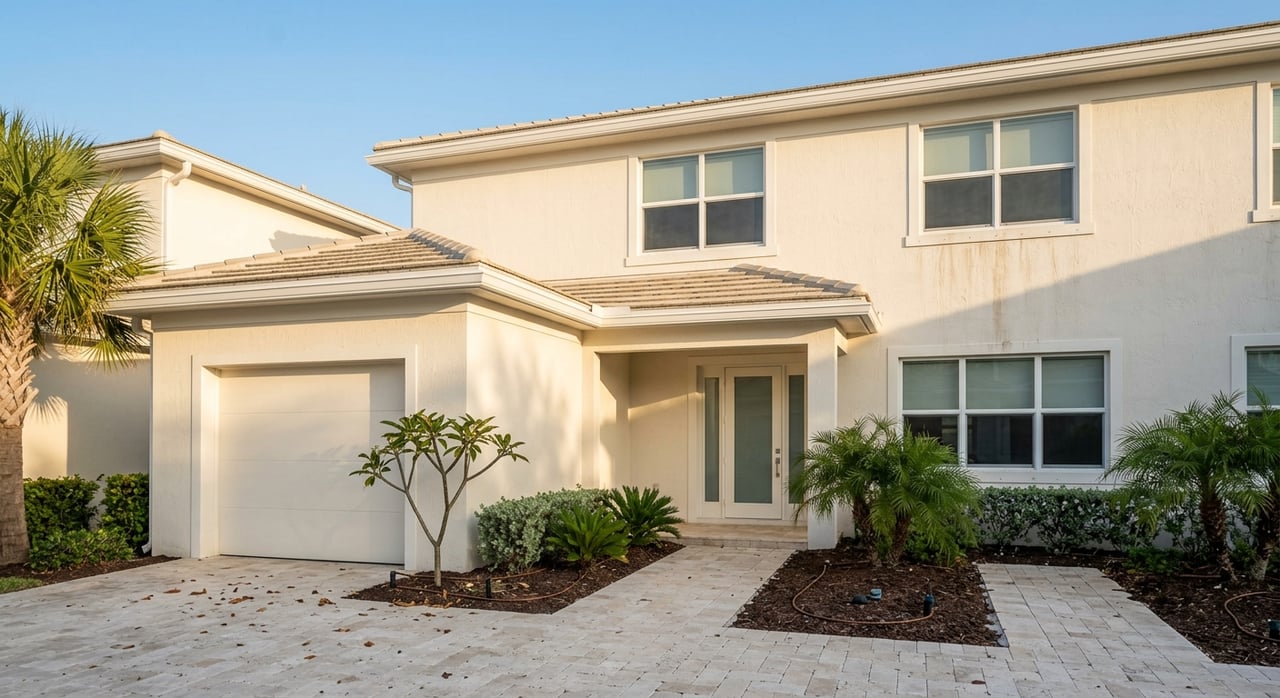
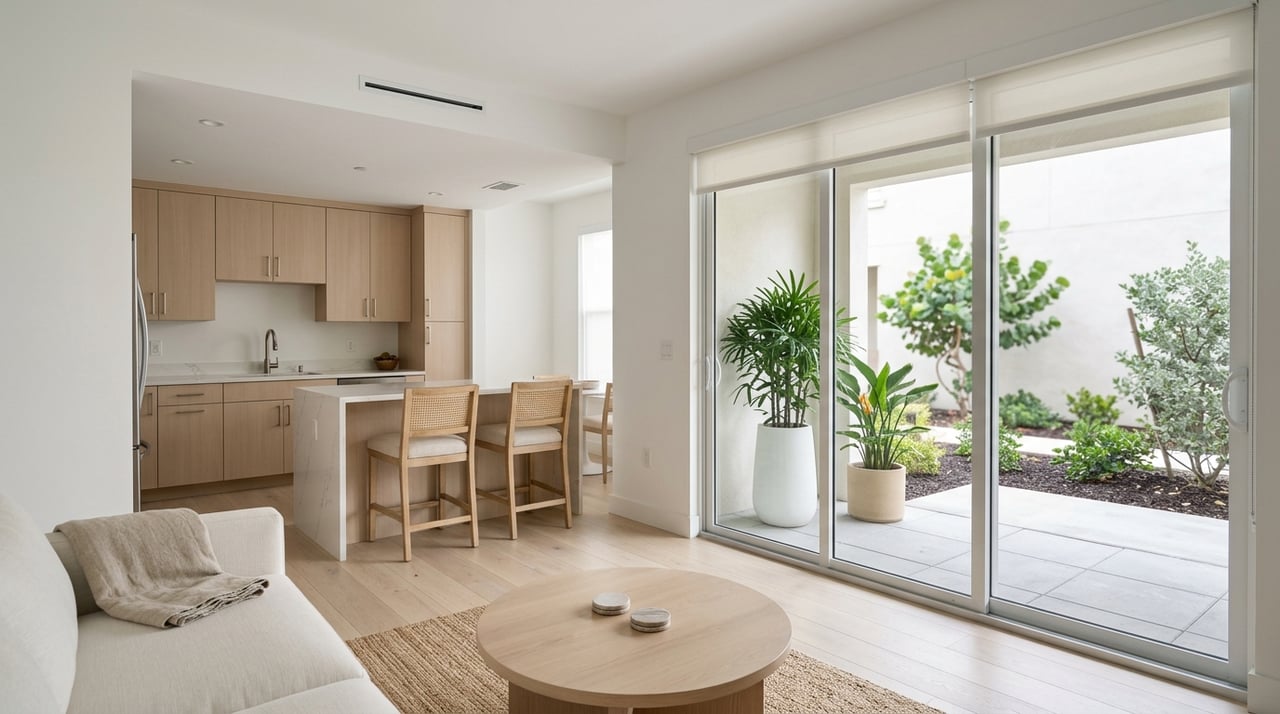
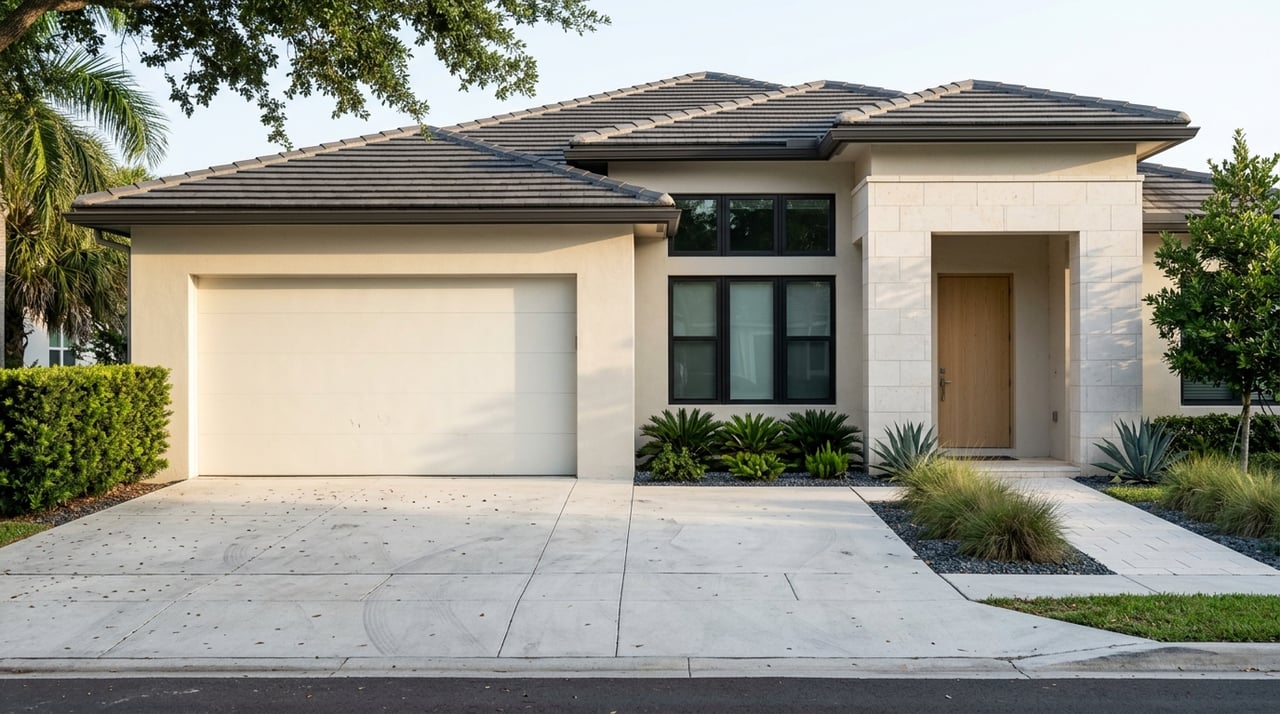
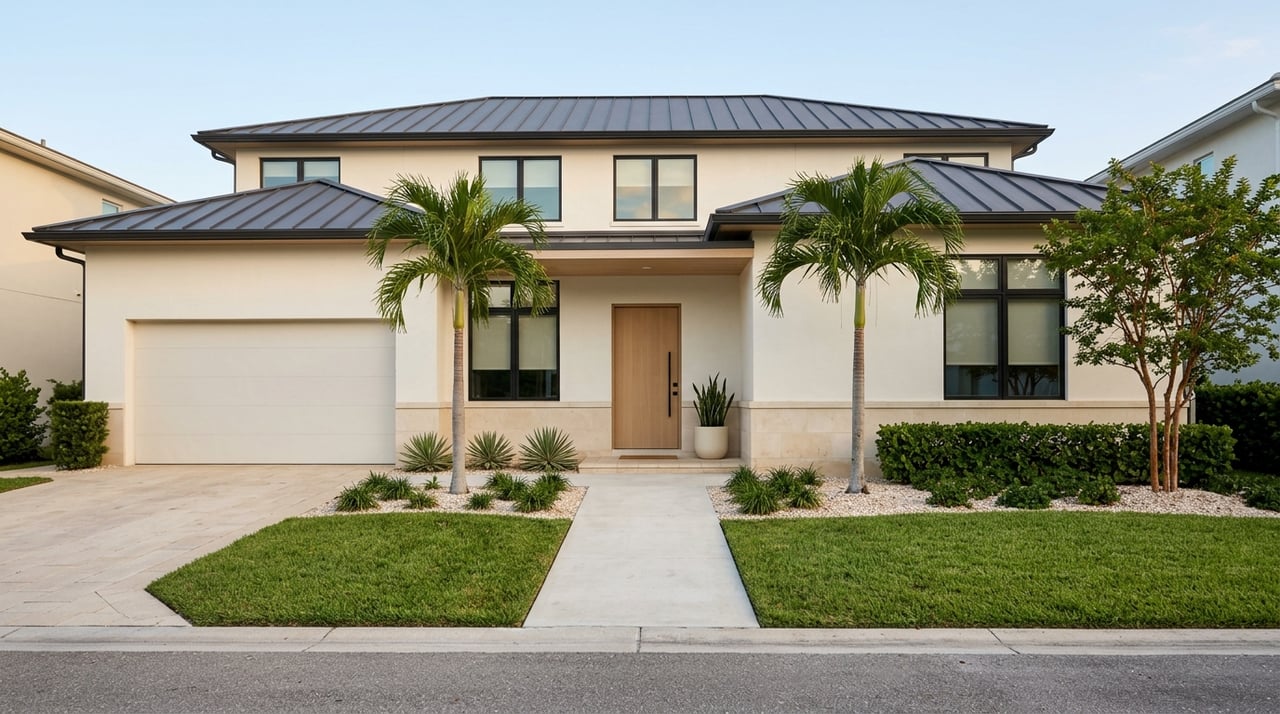
If you are considering a move to coastal Boynton Beach, the housing mix is another plus. The city’s strategic plan specifically calls for quality housing options that include single-family homes, condos, town homes, and apartments.
That matters because it points to a mixed-density coastal market, not a one-size-fits-all housing environment. Depending on your goals, you may find options that fit full-time living, lower-maintenance ownership, or a different type of footprint near the water.
For buyers, this creates flexibility. You can focus your search around how you want to live, not just around one dominant housing type.
Older coastal condos need extra due diligence
If a condo near the coast is on your list, it is smart to look closely at building age and compliance. Boynton Beach’s building recertification information says that buildings three stories or more that are part of a condominium or cooperative association are subject to milestone inspections under Florida law.
The city’s program includes 25-year recertification followed by 10-year intervals. For buyers, this is an important reminder that condo decisions should include careful review of building status, maintenance history, and any recertification-related items.
This does not mean avoiding older condos. It means approaching them with the same practical attention you would want in any coastal market.
Flood awareness is part of coastal ownership
Living near the water has obvious appeal, but it also comes with real planning considerations. In the city’s repetitive-loss analysis, the eastern and coastal area is identified as especially affected by current and projected sea-level rise.
The report also notes that some coastal neighborhoods have experienced repetitive flooding issues. If you are buying near the water, flood awareness should be part of your decision-making from the start.
That does not have to be a deal breaker. It does mean you should understand the specific property, location, and building context before you commit.
Who Coastal Boynton Beach fits best
Coastal Boynton Beach tends to fit buyers who want a mix of waterfront lifestyle and daily convenience. You get beach access, boating, waterfront dining, parks, community events, and enough shopping and services to keep daily errands manageable.
The tradeoffs are the familiar coastal ones. Beach visits may require parking planning, condo buyers need to pay attention to building oversight, and anyone buying near the water should take flood exposure seriously.
If that balance sounds right to you, Coastal Boynton Beach can offer a lifestyle that feels both relaxed and functional. It is not just a place to visit. For many buyers, it is a place that works well for real day-to-day living.
If you are weighing neighborhoods, condos, or homes near the water in Boynton Beach, working with a local broker who understands the inventory and the transaction details can make your decision much clearer. Varsha Chandra offers experienced, hands-on guidance for buyers, sellers, and clients across Palm Beach County.
FAQs
What is Coastal Boynton Beach like for daily living?
- Coastal Boynton Beach offers a mix of beach access, marina activity, parks, dining, shopping, and year-round events, so daily life feels both scenic and practical.
What beach do Coastal Boynton Beach residents use most often?
- The city’s main municipal beach is Oceanfront Park in Ocean Ridge, which is open year-round from sunrise to 9 p.m. with lifeguards on duty daily from 9 a.m. to 5 p.m.
What is the waterfront lifestyle like in Coastal Boynton Beach?
- Beyond the beach, the Boynton Harbor Marina offers boating, fishing charters, scuba charters, rentals, parasailing, cruises, and waterfront dining.
Is Coastal Boynton Beach walkable or car-dependent?
- The area is improving walkability and bike access, but current daily life is still best understood as car-first with support from Tri-Rail and Palm Tran.
What types of homes are available in Coastal Boynton Beach?
- The city’s planning documents point to a mixed housing market that includes single-family homes, condos, town homes, and apartments.
What should buyers know about condos in Coastal Boynton Beach?
- Buyers should pay close attention to building age, maintenance, and recertification requirements, especially for condominium or cooperative buildings that are three stories or more.
What should buyers know about flood risk in Coastal Boynton Beach?
- City documents identify the eastern coastal area as especially affected by sea-level rise, and some coastal neighborhoods have experienced repetitive flooding issues, so property-specific due diligence is important.