If you are looking at rental property in Boynton Beach, it is easy to get pulled in by one rent number and one purchase price and call it a day. In reality, this market is more layered than that, and your outcome can change a lot based on property type, lease structure, seasonality, and local rules. This guide will help you understand how the Boynton Beach rental property market works, what numbers matter most, and where smart investors usually slow down and look closer. Let’s dive in.
Why Boynton Beach Stands Out
Boynton Beach sits inside the larger Palm Beach County housing market, but it has its own rental profile worth studying on its own. The city’s 2024 population estimate is 83,095, and 29.6% of residents are foreign-born. It also has a 64.7% owner-occupied rate and a median gross rent of $2,041, which points to a meaningful renter base alongside a strong ownership market.
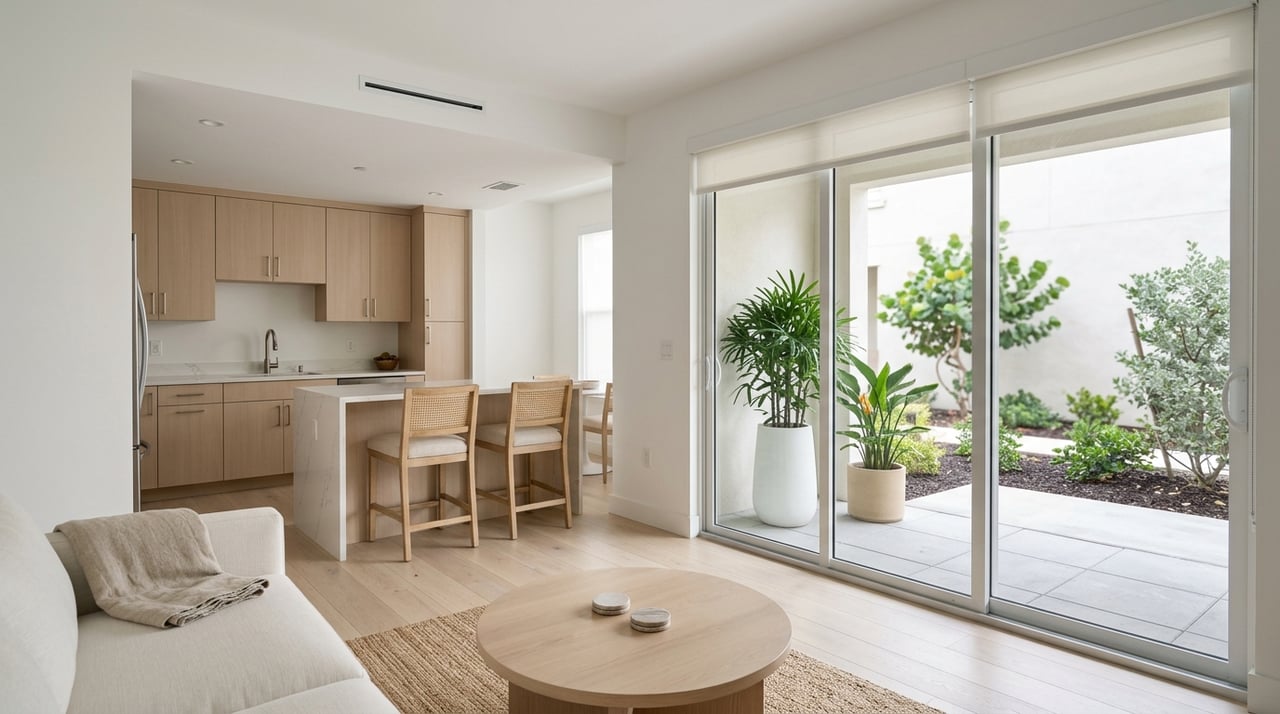
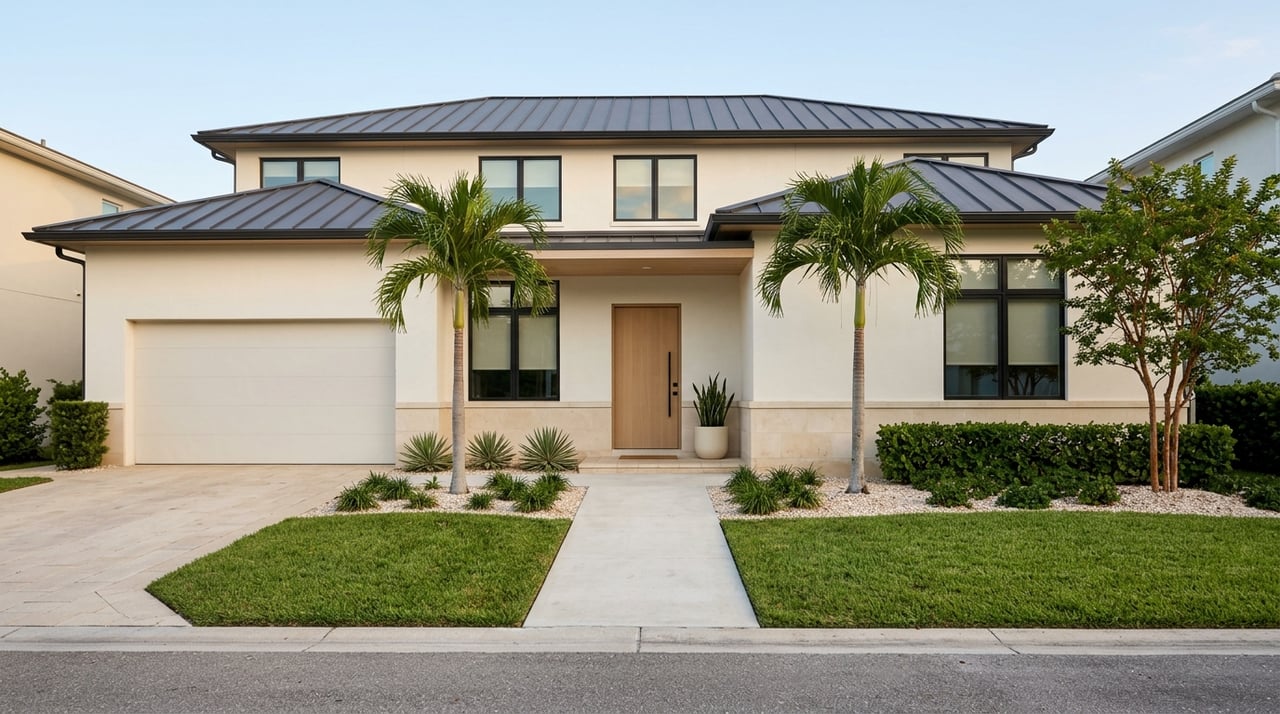
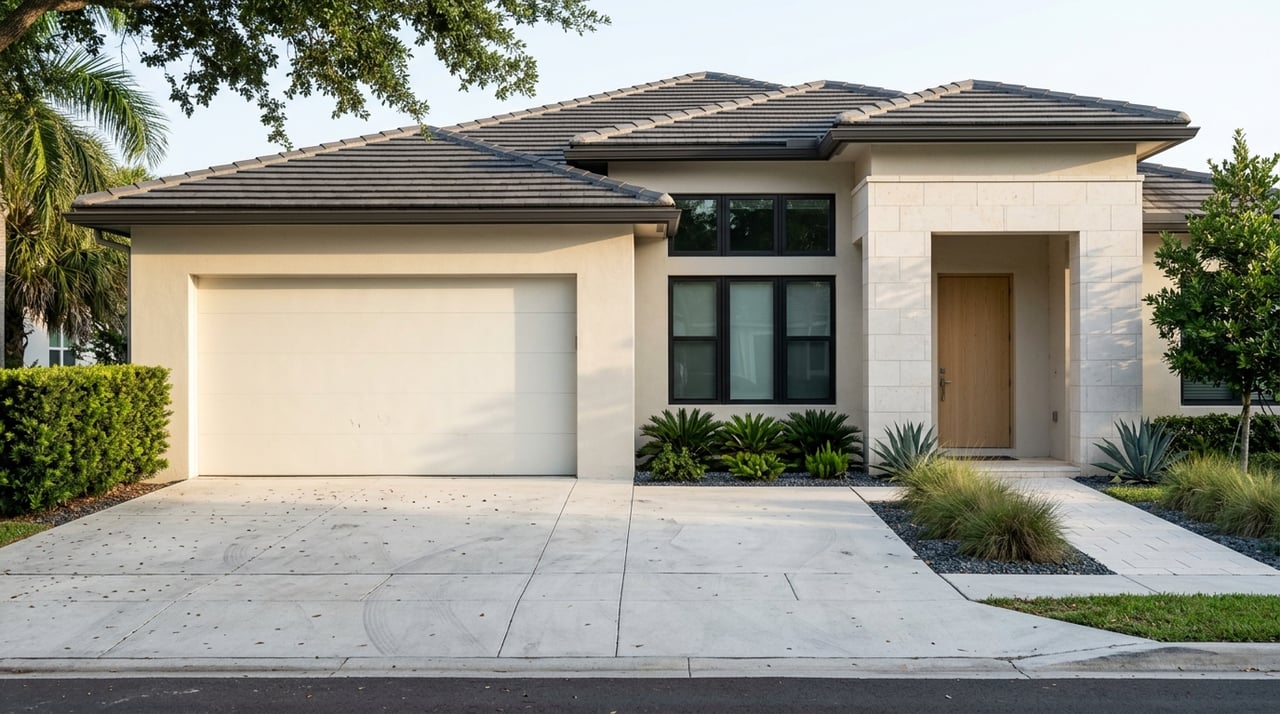
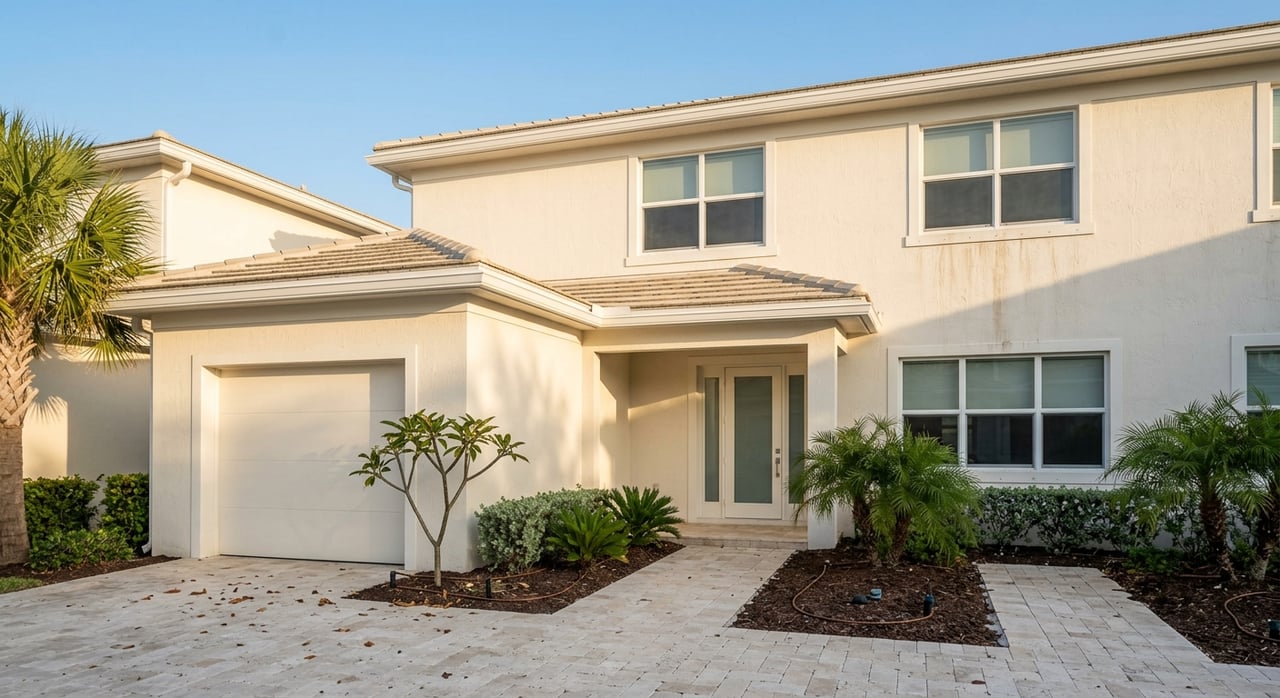
That matters because Boynton Beach is not a one-size-fits-all rental market. The local housing stock includes detached homes, condos, townhomes, multifamily units, and mobile homes. If you are evaluating an investment here, you will usually get better answers by comparing similar property types instead of relying on a citywide average.
Boynton Beach Housing Mix Matters
The city has 16,778 total housing units, including 9,468 single-family units and 6,599 multifamily units. There are also 710 mobile home units, 9,102 owner-occupied units, 5,381 renter-occupied units, and 2,294 vacant units. That blend creates options for different investment strategies, but it also means each segment behaves a little differently.
For example, a detached home may attract a different renter profile and carry different maintenance costs than a condo or small multifamily building. HOA or condo association rules can also shape your leasing options. In Boynton Beach, property type is one of the most important starting points in any rental analysis.
Rental Demand Looks Steady
Several indicators suggest that renter demand remains relevant in Boynton Beach. The city’s median gross rent of $2,041 is above the Palm Beach County median gross rent of $1,700. The city also has a lower owner-occupied share than the county overall, which supports the idea that renting plays a larger role here than it does in some nearby areas.
There is also an affordability angle worth noting. Countywide, 50.8% of renter households spend 35% or more of income on gross rent. That kind of pressure can keep reasonably priced rentals in demand, even when the broader housing market becomes less predictable.
Population growth adds another layer of support. Boynton Beach grew from 80,380 residents in 2020 to 83,095 in the 2024 estimate. Growth does not guarantee performance for every property, but it does support a stable baseline of housing demand.
Property Types to Compare Separately
A smart Boynton Beach rental strategy usually starts by separating inventory into clear buckets. Countywide structure data shows 45.4% of units are 1-unit detached, 11.3% are 1-unit attached, 6.5% are in 3- or 4-unit buildings, and 18.8% are in buildings with 20 or more units. That supports analyzing detached homes, attached homes, condos, and apartment-style properties on their own terms.
Here is why that matters in practice:
- Single-family homes may offer stronger rent totals but can come with larger repair budgets.
- Condos and townhomes may offer a lower purchase price, but dues and association rules can affect net returns.
- Small multifamily properties can spread vacancy risk across more than one unit, but they may need more active management.
- Mobile homes or niche assets may follow very different pricing and compliance patterns.
When you compare rental opportunities in Boynton Beach, like-for-like analysis is usually more useful than broad averages.
Turnover and Vacancy Need Attention
One detail that often gets overlooked is renter turnover. In Boynton Beach, the median year a renter-occupied unit was moved into is 2019, compared with 2012 for owner-occupied units. That suggests renters tend to move more often, which can increase vacancy risk, turnover costs, and the need for careful renewal planning.
At the county level, the rental vacancy rate is 6.8%, and renter-occupied housing makes up 30.5% of occupied units. That does not suggest a permanently weak market, but it does mean you should budget for some downtime between tenants. Underwriting a property as if it will stay occupied every month of every year can make the numbers look better than reality.
Seasonality Is Real in South Florida
Boynton Beach investors should also think seasonally. Palm Beach County has an estimated seasonal population of 8,153, and local tourism patterns point to Thanksgiving as the start of the area’s high season. Together, those facts support the common South Florida pattern of stronger winter demand and more cautious summer assumptions.
That does not mean every rental will perform the same way in every season. A year-round residential lease for a well-located condo may behave differently than a property aimed at short stays or flexible occupancy. Still, if you are projecting rent growth, vacancy, or renewal timing in Boynton Beach, seasonality deserves a place in your planning.
Rent Data Can Be Misleading
One of the biggest mistakes investors make is mixing rent figures that measure different things. In Boynton Beach, the Census median gross rent is $2,041. Zillow’s rental-manager data shows an average rent of $2,800 as of May 22, 2026, while Zillow’s housing-market page shows an average rent of $2,405 using the Zillow Observed Rent Index.
Those numbers are not interchangeable. They come from different methodologies and may reflect different property sets, unit sizes, and timing. If you are testing a deal, make sure you are comparing the right rent benchmark to the right property type.
Zillow’s unit-level rent estimates also show the spread by size:
- 1-bedroom: $1,890
- 2-bedroom: $2,400
- 3-bedroom: $3,200
That spread is another reminder that bedroom count and unit style can shift the revenue picture quickly. A condo and a detached home may both be in Boynton Beach, but they should not be priced or analyzed the same way.
Purchase Prices and Return Screens
On the acquisition side, Zillow reports a typical Boynton Beach home value of $398,860 and a median sale price of $375,167 as of spring 2026. If you compare current rents against those price points, you get only a rough gross-rent screen in the high single digits before expenses. That can help you narrow options, but it is not the same thing as a cap rate.
A stronger rental analysis should include more than purchase price and monthly rent. Your numbers should also account for:
- Property taxes
- Insurance
- HOA or condo dues
- Property management
- Repairs and maintenance
- Turnover costs
- Vacancy allowance
- Reserve funds
This is where many Boynton Beach deals separate from the headlines. A property with an attractive asking rent may still underperform once dues, insurance, or seasonal vacancy are added to the picture.
Local Rental Rules Are Part of the Math
In Boynton Beach, compliance is not a side issue. The city requires a Certificate of Use and Occupancy and a Business Tax Receipt before offering rental property. These rules apply across several property types, including single-family detached and attached homes, two-family dwellings, individual multifamily units such as condominiums, and mobile homes.
The city also draws a line between standard residential rentals and short-term rentals. A short-term rental is generally a unit rented or advertised more than three times in a calendar year for periods under 30 days. If you are considering a shorter-stay strategy, you need to review both city requirements and the applicable Florida vacation-rental licensing rules before marketing the unit.
For long-term rentals, Florida law also shapes lease planning and deposit handling. Fixed-duration leases can include notice provisions for move-out at the end of the term, and security deposits must be handled and returned according to state timelines. Clean paperwork and well-structured lease terms are part of good investing, not just good administration.
Documentation and Operations Matter
Boynton Beach also requires landlords and lessors to provide a rental housing rights-and-resources notice to applicants, or before occupancy if no application is used. That means documentation should be built into your process from the start. The smoother your application, lease, and move-in systems are, the easier it becomes to stay compliant and reduce friction.
This is one reason many owners benefit from local professional support. A Florida real estate attorney can help with lease drafting, registration, and association review. A property manager can help with pricing, tenant screening, renewals, and day-to-day compliance.
What Smart Investors Watch Closely
If you want a practical framework for Boynton Beach, focus on the variables that change returns the most. In this market, those usually include:
- Property type and how it compares to similar local inventory
- Lease term and whether you are planning standard residential use or a shorter-stay model
- Association rules for condos and townhomes
- Seasonality and realistic vacancy planning
- Operating costs beyond the mortgage payment
- Local compliance before advertising the property
Boynton Beach can offer solid rental opportunities, but the strongest decisions usually come from disciplined local underwriting rather than broad market assumptions.
The Bottom Line on Boynton Beach Rentals
The Boynton Beach rental property market is best understood as a mixed-product, mixed-tenure market inside a larger Palm Beach County system. There is meaningful renter demand, a diverse housing base, and enough variation between detached homes, condos, and multifamily properties to make detailed analysis essential. Add in winter seasonality and city-specific rental rules, and it becomes clear that the best investment decisions here depend on preparation more than guesswork.
If you are buying, selling, or evaluating a rental property in Boynton Beach, local knowledge can make a real difference in how you price risk and spot opportunity. For experienced, hands-on guidance across Palm Beach County rentals, resales, and investment property decisions, schedule a free consultation with Varsha Chandra.
FAQs
What is the median rent in Boynton Beach?
- The Census reports Boynton Beach’s median gross rent at $2,041, but other rent sources show different figures depending on method, property mix, and timing.
Is Boynton Beach a good place to buy rental property?
- Boynton Beach shows meaningful renter demand, population growth, and a diverse housing mix, but your results will depend heavily on property type, operating costs, lease structure, and local compliance.
Are short-term rentals allowed in Boynton Beach?
- Boynton Beach distinguishes short-term rentals from standard residential rentals, and shorter-stay use may require both city approval and applicable Florida licensing before you market the property.
What rental property types are common in Boynton Beach?
- Investors commonly evaluate single-family homes, condos, townhomes, and some small multifamily properties, since the local housing stock includes a substantial mix of single-family and multifamily units.
What local rules should Boynton Beach landlords know?
- Before offering a rental, owners should review city requirements for a Certificate of Use and Occupancy, a Business Tax Receipt, and required tenant notice documents, along with Florida rules for leases and security deposits.