Thinking about moving to Wellington? You are not alone. For many buyers, Wellington stands out because it offers more than one lifestyle in one village, from planned suburban communities to golf living to a world-known equestrian scene. If you are trying to figure out where you might fit best, this guide will help you compare neighborhoods, amenities, access, and what life in horse country really feels like. Let’s dive in.
Why Wellington attracts relocators
Wellington is a mid-sized village in western Palm Beach County with an estimated population of about 61,836 residents, according to the village’s FY2025 annual report. That same report places the median home value at about $557,100, which gives you a useful starting point as you begin comparing housing options.
What makes Wellington different is its mix of everyday convenience and specialized lifestyle appeal. You can find established residential areas, major retail and healthcare, a strong parks system, and one of the country’s most recognizable equestrian hubs all in the same community.
For many relocators, that means Wellington can work whether your priority is a traditional neighborhood, access to recreation, or proximity to horse venues. The key is understanding how the village is laid out and what each area tends to offer.
How Wellington is organized
Wellington works best when you think of it as a corridor-based suburb rather than one compact downtown. Daily errands and civic amenities tend to cluster around Town Center, Forest Hill Boulevard, and the State Road 7 corridor, while equestrian activity is concentrated closer to the preserve and major horse venues.
Regional access also follows that same pattern. According to Wellington’s corridor study, Southern Boulevard and Forest Hill Boulevard connect western Palm Beach County to the Florida Turnpike, I-95, and coastal areas, while State Road 7 forms the major north-south route along Wellington’s eastern edge.
That layout matters when you relocate because your day-to-day routine may feel very different depending on where you buy. A home that is great for horse access may not feel the same as one chosen for quick errands, commuter routes, or a more conventional neighborhood setup.
East of State Road 7 neighborhoods
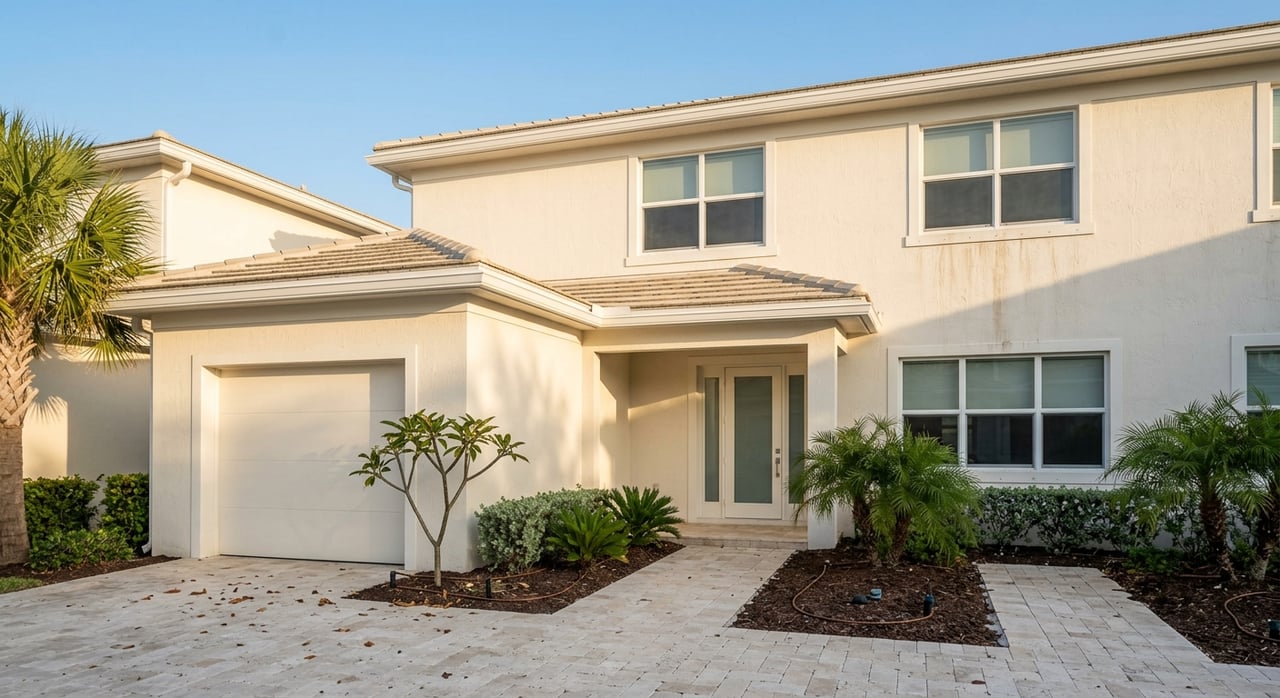
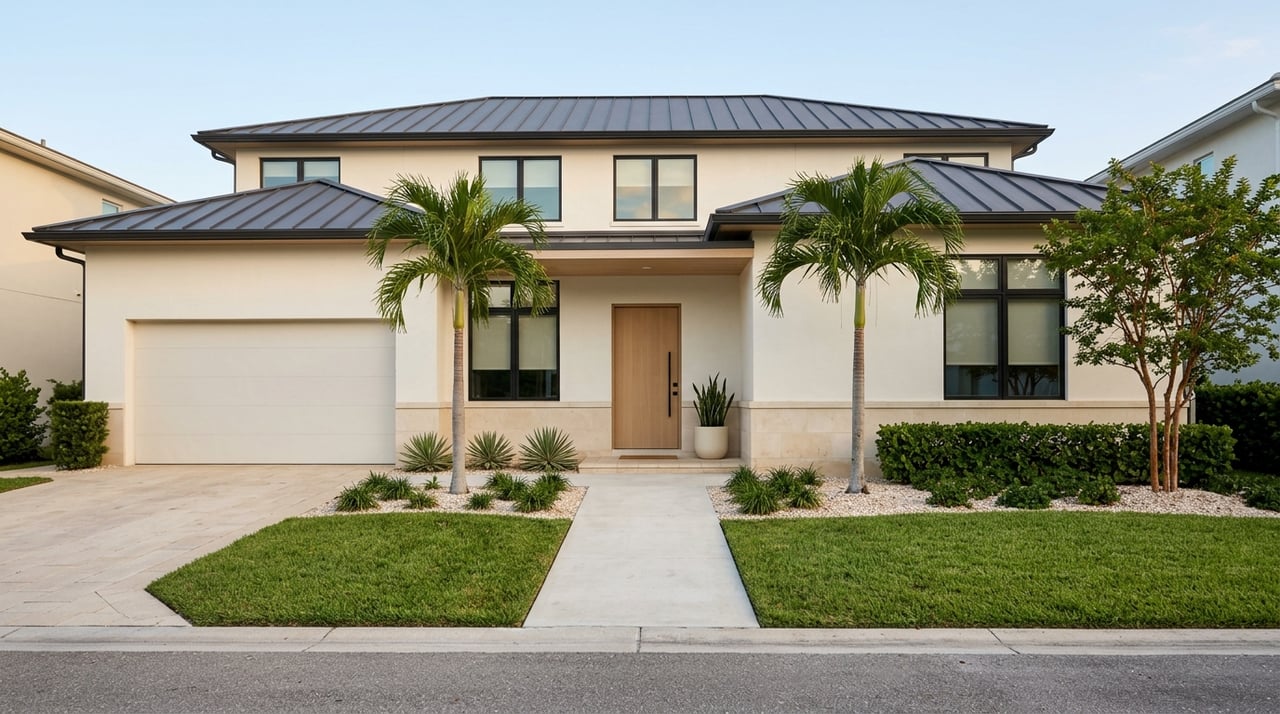
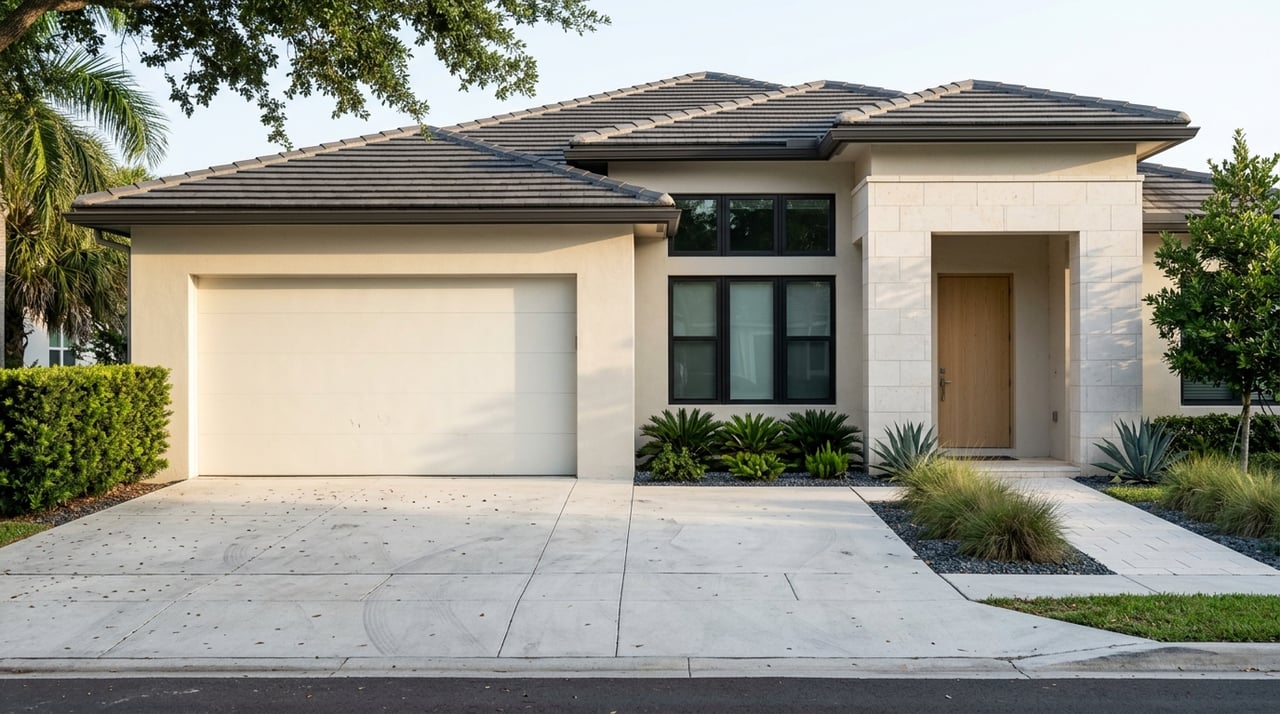
For many buyers, the east side of State Road 7 is the easiest place to begin the search. Wellington’s own utility and precinct references identify communities such as Buena Vida, Olympia, VillageWalk, and The Isles at Wellington as part of this more suburban, HOA-oriented side of the village.
If you want a conventional neighborhood layout, this area often fits the brief well. Many relocating buyers are drawn to the more structured community feel, planned entrances, and straightforward access to services along the Forest Hill Boulevard corridor.
This part of Wellington can be a strong match if you want a practical daily routine. Grocery runs, appointments, community programs, and shopping are generally easier to build into your week when you are closer to the town-center and east-side service hubs.
Who this area may suit best
If you are moving from another suburban market and want something familiar, the east-of-SR 7 communities are often a good first stop. They can also appeal if your priority is easy access to retail, parks, and community amenities rather than a niche lifestyle setting.
For buyers who want a lower-friction transition, this part of Wellington often feels approachable. It gives you a clear sense of neighborhood structure while keeping you tied into the village’s main commercial and civic corridors.
Wellington horse country
Equestrian life is not a side note in Wellington. The village describes the equestrian community as integral to its economic, demographic, and physical structure, and it supports that identity through the Equestrian Preserve Area framework, an Equestrian Overlay Zoning District, and more than 100 miles of public bridle trails.
That identity is reinforced by the scale of local venues. Wellington International hosts the Winter Equestrian Festival and Adequan Global Dressage Festival, while the USPA National Polo Center includes six championship fields and Palm Beach Polo integrates residential neighborhoods with polo fields and an 18-hole championship course.
If you are relocating for riding, training, polo, or dressage access, this part of Wellington deserves close attention. Living near the equestrian core can change your daily rhythm in a positive way if horse activities are central to your lifestyle.
What horse-country living feels like
Horse-country living in Wellington is about more than events. It is also about being near facilities, trails, training activity, and the seasonal energy that comes with one of the country’s busiest equestrian destinations.
The biggest seasonal shift happens in winter. Wellington International notes that WEF runs for 13 weeks from January through March, AGDF adds 10 weeks of dressage competition, and the USPA National Polo Center hosts major tournaments from February through April.
For you as a buyer or renter, that means winter often brings more traffic, more event activity, and stronger short-term demand around the equestrian core. If your move timeline is flexible, it helps to plan viewings and neighborhood tours with that seasonal rhythm in mind.
Golf and niche lifestyle options
Not every Wellington move revolves around horses. Some buyers are looking for club amenities, aviation access, or a more specialized residential setting that lines up with a very specific lifestyle.
Wycliffe Golf & Country Club is Wellington’s primary golf-and-country-club option. Its amenities include two 18-hole championship golf courses, 14 Har-Tru tennis courts, pickleball, spa and fitness offerings, dining, and a social-club environment.
Wellington Aero Club offers a very different niche. It is a residential airpark community with on-site aviation fuel, a clubhouse, and custom estate homes, making it most relevant for buyers who want a pilot-oriented lifestyle.
Choosing a specialty community
Specialty communities can be a great fit when you know exactly how you want to live. They are usually less about checking every box for every buyer and more about aligning your home choice with a specific routine or interest.
If that is your goal, it helps to compare these options against how often you will use the amenities, how important access is, and whether the lifestyle focus matches your long-term plans. A practical match matters more than a flashy first impression.
Amenities that support daily life
One reason Wellington appeals to relocators is that it feels more self-contained than many suburban communities. You are not just moving into a neighborhood. You are moving into a village with established recreation, retail, healthcare, and public services.
Wellington’s Parks & Recreation department is CAPRA-accredited, and the village highlights assets such as the Aquatics Center, Olympia Park, Village Park, Wellington Amphitheater, and Wellington Green Park. Nature-focused spaces like Peaceful Waters Sanctuary and the Wellington Environmental Preserve add another layer for buyers who value outdoor time.
The Wellington Community Center sits in Town Center and hosts programs for youth, adults, and seniors. Town Center also serves as a recurring event hub for activities such as Lakeside Market and the Food Truck & Music Series, which adds to the sense of community life.
Shopping, library, and healthcare
The Mall at Wellington Green remains the village’s main retail anchor. Its location on the State Road 7 and Forest Hill Boulevard spine makes it a useful reference point when you are learning the area.
The Wellington Branch of the Palm Beach County Library System is located at 1951 Royal Fern Drive and offers meeting rooms, computers, printing and scanning, Wi-Fi, and Palm Tran access. For healthcare, Wellington Regional Medical Center at 10101 Forest Hill Boulevard has served Palm Beach County since 1986.
Taken together, these amenities can make Wellington feel practical for full-time living. If you are relocating from out of state, that kind of everyday convenience can make the adjustment much smoother.
Getting around Wellington
Wellington is easiest to navigate when you learn the main corridors early. Forest Hill Boulevard and Southern Boulevard are the key east-west connectors, and State Road 7 is the main north-south route along the village’s eastern side.
If you commute regionally, those roads matter because they connect you toward the Florida Turnpike, I-95, and other parts of Palm Beach County. If your routine stays local, they still shape how quickly you can move between neighborhoods, retail, parks, and civic destinations.
Palm Tran also serves major destinations across Palm Beach County, and the Mall at Wellington Green is identified as one of the system’s major transfer locations. That may be useful if public transit access is part of your planning process.
How to choose the right Wellington area
The best Wellington move usually starts with your daily priorities. Instead of asking which neighborhood is best in a general sense, ask which area best supports how you will actually live.
Here is a simple way to frame your search:
- If you want the closest access to horse venues, start with the Equestrian Preserve area, Palm Beach Polo, the National Polo Center, and Wellington International.
- If you want easier access to errands and civic amenities, focus on Town Center, Forest Hill Boulevard, and the SR 7 corridor.
- If you want a more conventional suburban HOA feel, begin with Buena Vida, Olympia, VillageWalk, and The Isles at Wellington.
- If you want a niche lifestyle setting, look at Wellington Aero Club for aviation-oriented living or Wycliffe for golf-and-country-club amenities.
This kind of practical sorting can save you time. It also helps you avoid touring homes that may be attractive on paper but do not fit your routine.
Why local guidance matters in a Wellington move
Wellington is not a one-note market. Buyers can be comparing suburban neighborhoods, equestrian properties, club communities, rentals, or even new-construction opportunities, all within the same broader area.
That is where experienced local guidance becomes especially valuable. When you have a clear picture of the village layout, seasonal patterns, and the tradeoffs between lifestyle zones, you can make a more confident decision and move faster when the right property appears.
If you are planning a move to Wellington, Varsha Chandra can help you narrow your search, compare your options, and navigate the process with clear, responsive guidance.
FAQs
What makes Wellington different from other Palm Beach County suburbs?
- Wellington combines suburban neighborhoods, strong parks and civic amenities, major retail and healthcare, and a nationally known equestrian community in one village.
Which Wellington areas are most convenient for everyday errands?
- Town Center, Forest Hill Boulevard, and the State Road 7 corridor are the main areas tied to shopping, civic amenities, and daily services.
Which Wellington neighborhoods have a more traditional suburban feel?
- Buena Vida, Olympia, VillageWalk, and The Isles at Wellington are commonly referenced as examples of Wellington’s more planned, HOA-oriented suburban communities.
What should you know about Wellington horse-country season?
- Winter is the busiest season near the equestrian core, with major equestrian and polo events running from January into April, which can increase activity, traffic, and short-term demand.
What amenities support full-time living in Wellington?
- Wellington offers parks, an aquatics center, an amphitheater, nature preserves, a community center, a major mall, a library branch, public transit connections, and Wellington Regional Medical Center.
Is Wellington a good fit if you want a niche lifestyle community?
- Yes. Buyers looking for a specialized lifestyle may consider options such as Wellington Aero Club for aviation-oriented living or Wycliffe for golf-and-country-club amenities.