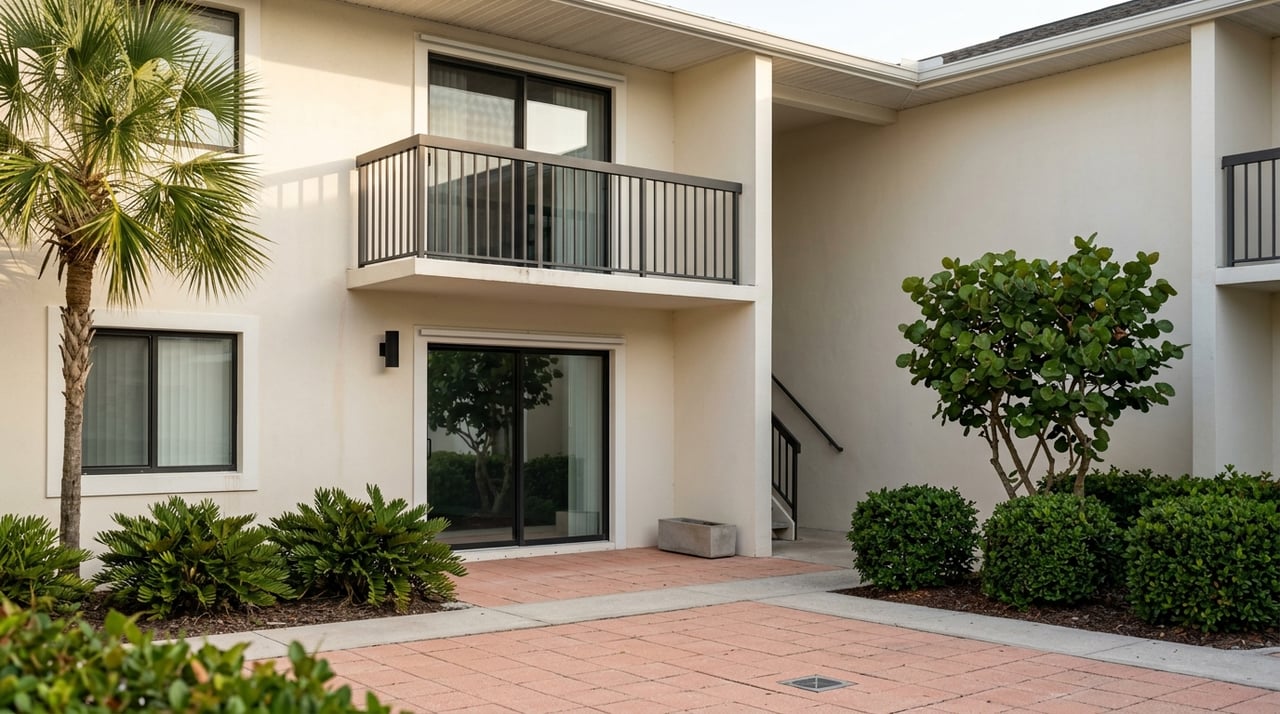
Are you deciding between a condo and a cottage in Lake Worth Beach? It is a smart question, because this small coastal city offers two very different ownership experiences in a compact, older housing market. If you want to understand how lifestyle, upkeep, flood exposure, parking, and local rules can affect your choice, you are in the right place. Let’s dive in.
Why Lake Worth Beach Feels Different
Lake Worth Beach is not a spread-out suburban market. It is a dense coastal city with a long history, older housing stock, and a preservation-minded local character. According to Census QuickFacts, the city has a population density of 7,164.3 people per square mile, an owner-occupied housing rate of 45.9%, a median owner-occupied value of $401,200, and a median gross rent of $1,545.
That setting matters when you shop for condos and cottages here. In a compact market like this, a few blocks can change your flood exposure, parking setup, zoning context, or historic district status. The city’s public GIS tools for flood zones, historic districts, zoning, and parking can help you compare properties more carefully.
Condos vs Cottages at a Glance
If you are choosing between the two, the biggest difference usually comes down to shared responsibility versus direct control. A condo may reduce some exterior responsibilities, while a cottage may give you more autonomy over your property. Both can work well, but they suit different priorities.
Here is a simple side-by-side view:
| Feature | Condo | Cottage |
|---|---|---|
| Ownership style | Shared community structure with association governance | Detached-home style ownership with more direct control |
| Exterior maintenance | Often handled in part through the association | Usually your responsibility |
| Financial review | Strong focus on association budget, reserves, and assessments | Strong focus on property condition and future maintenance |
| Exterior changes | Governed by association rules | May require city review in historic areas |
| Parking | Varies by building and location | Varies by lot, street, and permit rules |
| Best fit | Buyers seeking convenience and a lock-and-leave setup | Buyers wanting privacy, yard space, and character |
What Condo Buyers Should Review
In Lake Worth Beach, low-rise condos can appeal to buyers who want a simpler day-to-day ownership experience. You may have less exterior responsibility, and the property can be easier to leave for part of the year. But convenience should never replace due diligence.
Under Florida law, condo buyers have access to important association documents. These can include the declaration, bylaws, rules, recent financial statements, the current budget, and, when applicable, the latest milestone-summary and structural integrity reserve study. These are not just closing documents. They are part of the actual buying decision.
Focus on the Association’s Financial Health
The monthly association fee is only one part of the cost picture. Reserve funding can come from regular assessments, special assessments, lines of credit, or loans. That means a condo with a lower fee is not automatically the better value if the building has weak reserves or pending repair costs.
As you compare options, ask practical questions such as:
- What does the current budget show?
- Are reserves adequately funded?
- Are there any planned special assessments?
- Are major repairs already identified?
- What are the building’s rules on parking and use?
Understand Florida’s Structural Rules
For condominium and cooperative buildings that are three habitable stories or higher, Florida law requires milestone inspections by age 30 and every 10 years after that. In coastal areas, local enforcement agencies may require the first inspection at age 25 due to conditions such as proximity to salt water.
Existing owner-controlled associations covered by the rule were also required to complete a structural integrity reserve study by December 31, 2025. Reserve funding must follow that study rather than being treated as optional. If a building is under three habitable stories, those statutory milestone and reserve-study rules do not apply.
That is why two condos with similar asking prices can feel very different financially. One building may be well prepared, while another may be catching up on reserves or repairs.
What Cottage Buyers Should Review
Lake Worth Beach cottages attract buyers for a different reason. They often offer charm, character, and a more direct sense of ownership. If you like private outdoor space, a detached-home feel, and more control over your day-to-day property decisions, a cottage may be the better fit.
Still, more control usually means more responsibility. You are more likely to handle maintenance, storm preparation, and exterior upkeep directly. In a city with a preservation-focused housing landscape, that can be especially important.
Historic District Rules Matter
Lake Worth Beach says it has six local historic districts plus four individually significant structures. The city’s Historic Preservation office reviews Certificates of Appropriateness for exterior alterations, additions, demolitions, and new construction within historic districts. A Certificate of Appropriateness is required before exterior work begins and before a building permit can be issued in a historic district or on an individually designated landmark.
For you as a buyer, that does not mean a historic cottage is a bad option. It means you should understand the approval process before you buy, especially if you already have renovation plans in mind. A property’s charm can be a major advantage, but the review process may affect your timeline and project scope.
Balance Character With Upkeep
A cottage can feel more personal and flexible than condo living. You may enjoy having a yard, more privacy, and fewer shared-building concerns. At the same time, you should be ready for the practical side of detached ownership, including exterior maintenance and storm planning.
In Lake Worth Beach, the age of the home, the block, and the district can all shape your ownership experience. That is why local, property-specific review matters so much here.
Flood Risk Should Be a Top Priority
In Lake Worth Beach, flood planning is not a side issue. It should be a core part of your due diligence whether you buy a condo or a cottage. The city provides map layers for flood zones, and Palm Beach County says updated FEMA flood maps became effective on December 20, 2024, adding thousands of additional eastern county residents to high-risk flood zones.
The county also states that all county residents live in a flood zone and that windstorm insurance does not cover flood damage. That point is especially important for coastal buyers who may assume one policy covers everything. It does not.
Questions to Ask Early
Before you get too far into a purchase, it helps to clarify:
- What flood zone is the property in?
- Has the updated mapping changed its risk profile?
- What insurance coverage may be needed?
- How does the building or home handle storm preparation?
- Are there property-specific factors that affect access or drainage?
The city also notes that hurricane season runs from June 1 to November 30, with peak activity in August and September. It further states that the city does not operate shelters during or after storms. For buyers, that makes preparedness part of the ownership picture, not just a seasonal reminder.
Parking Can Change the Decision
In a compact beach city, parking is not a minor detail. It can influence your daily convenience, guest access, and even the long-term enjoyment of the property. This is especially true near the beach and downtown, where the city manages metered parking in beach, downtown, and park areas.
For condo buyers, never assume the parking setup matches the listing photos or your past condo experiences. Verify assigned spaces, guest rules, and any restrictions in the governing documents. For cottage buyers, confirm whether off-street parking exists and how local permit rules affect the area.
The city also states that resident beach permits are available only to Lake Worth Beach residents in ZIP 33460 and a limited area of 33461. Those permits are not valid at Bryant Park or downtown residential permit spaces. That makes parking a real location factor when comparing one block or property type to another.
Think About How You Will Use the Property
Your intended use matters almost as much as the property itself. Are you buying a primary residence, a second home, or a rental-oriented property? In Lake Worth Beach, that choice can affect taxes, ownership costs, and how you evaluate the home.
Palm Beach County’s Property Appraiser states that the homestead exemption is for a permanent residence and must be filed by March 1. The office also warns that rental use can jeopardize homestead status, including rental on January 1 or rental for more than six months.
That means you should model a primary-residence purchase separately from a second-home or rental plan. A condo that looks appealing for part-time use may come with a different ownership math than a cottage you plan to occupy full time.
Which Option Fits You Best?
A condo often makes sense if you want a more lock-and-leave lifestyle and are comfortable doing a deep review of association finances, reserves, and repair planning. It can be a strong fit if you value convenience and want less direct exterior responsibility. The tradeoff is that your costs and rules are tied to the association’s decisions.
A cottage often makes sense if you want more privacy, outdoor space, and direct control over the property. It can be a great fit if you appreciate older homes and understand that historic review, maintenance, and storm readiness may require more of your time. The tradeoff is more hands-on ownership.
In Lake Worth Beach, there is no one-size-fits-all answer. The right choice depends on your budget, your risk tolerance, your renovation plans, and how you want to live in the home.
If you want practical guidance comparing condos and cottages in Lake Worth Beach, Varsha Chandra can help you evaluate the numbers, the property details, and the local factors that matter most.
FAQs
What should condo buyers review in Lake Worth Beach?
- Condo buyers in Lake Worth Beach should review association documents, including financial statements, budgets, rules, and, when applicable, milestone-summary and structural integrity reserve study information.
What should cottage buyers know about historic districts in Lake Worth Beach?
- Cottage buyers should know that exterior changes in local historic districts or on individually designated landmarks may require a Certificate of Appropriateness before work begins and before a building permit can be issued.
How important are flood zones for Lake Worth Beach buyers?
- Flood zones are very important in Lake Worth Beach because the city provides flood-zone mapping, Palm Beach County says all county residents live in a flood zone, and windstorm insurance does not cover flood damage.
Do parking rules differ for condos and cottages in Lake Worth Beach?
- Yes, parking can differ by building, lot, and location, so buyers should verify assigned spaces, permit rules, and nearby metered parking conditions before making a decision.
Can rental use affect homestead exemption in Palm Beach County?
- Yes, Palm Beach County states that rental use can jeopardize homestead status, including rental on January 1 or rental for more than six months.