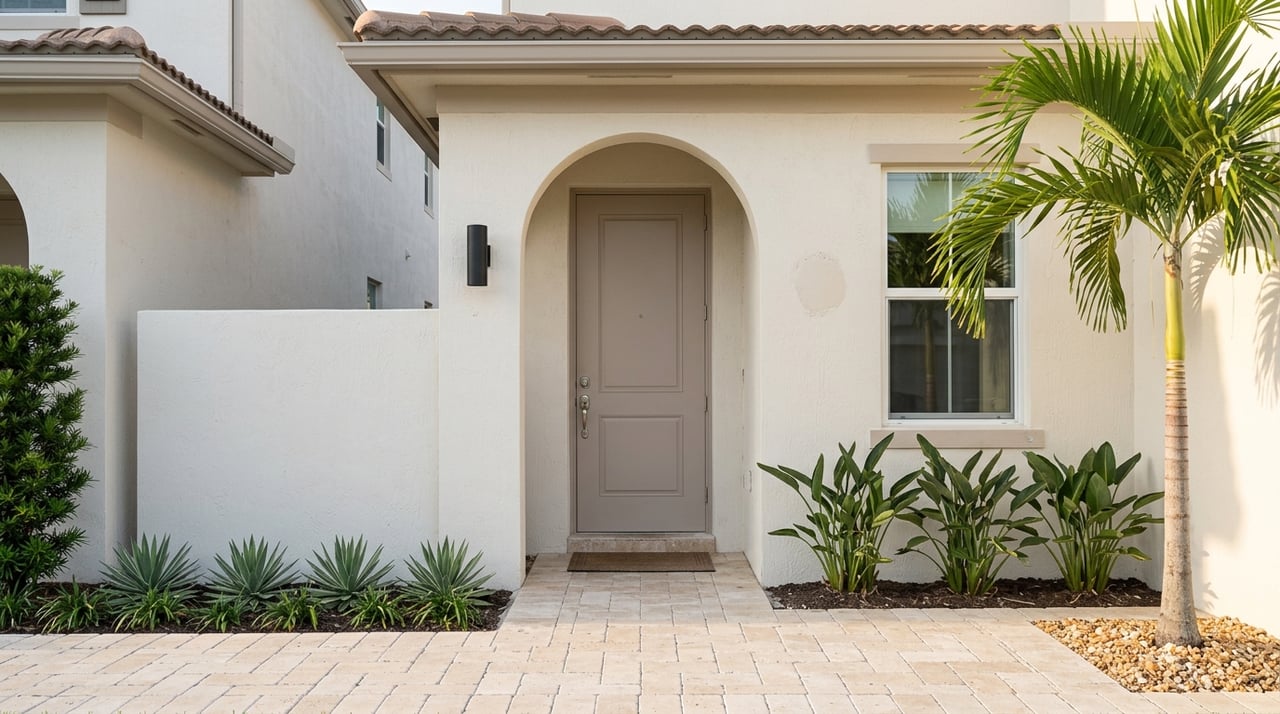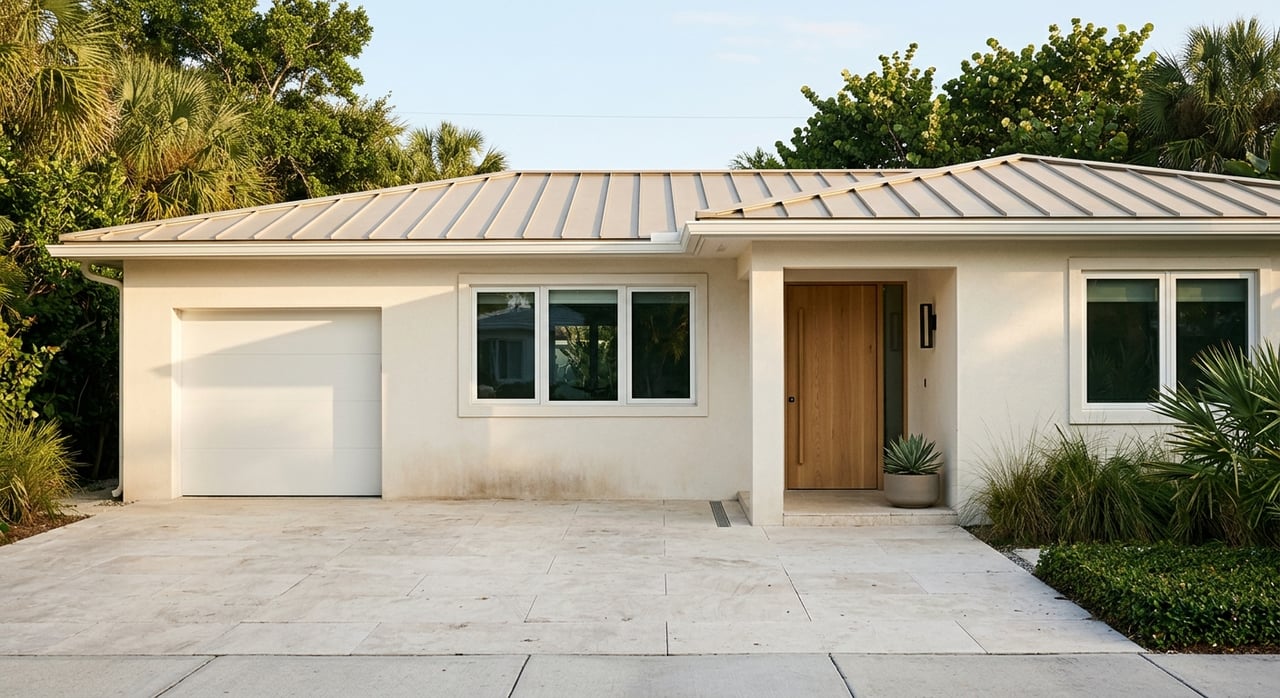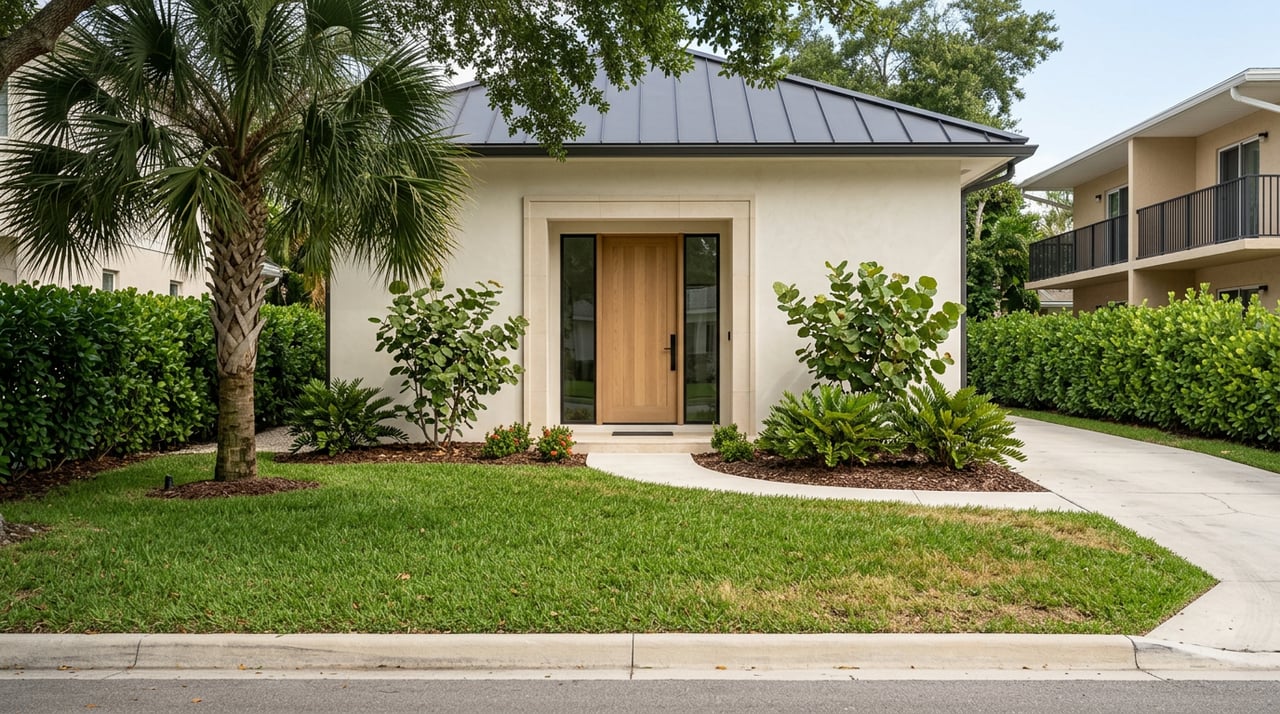
Trying to choose between a condo and a single-family home in Delray Beach can feel like apples and oranges. Prices swing widely by neighborhood and property type, and carrying costs can be very different once you factor in HOA dues, insurance, flood risk, and future assessments. If you want beachfront living with low maintenance, a condo may shine. If you want a yard and more control over costs, a house might be the better fit.
In this guide, you’ll get a clear, side-by-side look at lifestyle tradeoffs, budgets, maintenance, financing, and local rules that matter in Delray Beach. You’ll also get a practical checklist you can use on any listing. Let’s dive in.
Quick market reality in Delray Beach
Delray Beach is a segmented market. You’ll see older inland condos, walkable downtown options, and premium waterfront buildings alongside suburban single-family neighborhoods and luxury waterfront homes. That variety is why reported medians can look far apart from one source to another.
Use ranges to set expectations while you shop. As a general guide, inland and older condos often appear under $400k. Downtown, newer, or larger townhome product commonly ranges from about $300k to $800k. Single-family homes typically start in the mid $400ks and stretch to multi-million along the beach and Intracoastal. Exact pricing depends on location, age, condition, and amenities.
Numbers differ because sources track different slices of the market and time frames. Sold medians reflect closed values while listing medians show current asks. When you are serious about a property, you should rely on current, micro‑neighborhood comps and building-level details.
What you get with each property type
Condos: lock-and-leave convenience
Condo buildings range from low-rise to high-rise across the east side and downtown. Typical layouts span compact 1-bedroom units to larger 2–3 bedroom residences and penthouses. Amenities often include pools, fitness rooms, security, and lobby staff in higher-service buildings. You trade private land for shared spaces, simpler upkeep, and monthly dues that cover a defined list of services.
Expect monthly HOA assessments and building rules that shape daily living. Waterfront or amenity-rich towers tend to have higher dues. Building age matters too. Older structures may be mid-century or 1970s stock that has undergone or still needs major capital repairs. That can impact both financing and future costs.
Townhomes: more space, still managed
Townhomes bridge the gap between a condo and a single-family home. You’ll often get two or three stories, a garage, and a small private patio. Some communities handle exterior maintenance and roofs, which keeps your personal to-do list short. Others shift more responsibility to the owner. The key is the legal form and the association documents that outline who maintains what. Lenders may also treat condo-form townhomes differently than fee-simple townhomes, so clarity on the project’s legal setup matters.
Single-family homes: privacy and control
Detached homes give you a yard, more storage, and the most control over upkeep and improvements. East of I‑95 and near the beach, lots are smaller but location drives value. West Delray brings larger-lot neighborhoods and gated communities, sometimes with club amenities. Pools are common, and waterfront properties can include docks and seawalls. You manage your own maintenance unless the home is in an HOA, which will have lower dues than most condos but may include quarterly fees and community rules.
Monthly costs and maintenance
Your monthly budget will look different by property type.
- Condos: You pay monthly condo dues. These typically include exterior maintenance, building insurance on the structure, common utilities or services, and shared amenities. Coverage varies, so confirm the exact inclusions. Dues can range from a few hundred dollars per month in simple inland buildings to several thousand per month in amenity-heavy or waterfront towers.
- Townhomes: Dues are often mid-range. Whether the HOA covers roofs and exteriors depends on the legal form and the declaration. Always read the maintenance section of the documents.
- Single-family homes: You handle all exterior and yard care unless you are in a managed HOA. HOA single-family communities tend to have lower monthly dues but may layer in quarterly assessments and optional or required social or club fees.
The smartest move is to evaluate the true carrying cost property by property. Look at dues, insurance, estimated utilities, taxes, and likely maintenance in the next three to five years.
Financing differences you should know
Condo financing can be more complex than financing a detached home. Many lenders review the entire condo project to confirm it meets eligibility standards for conventional financing. This review can include reserve funding, owner-occupancy levels, litigation checks, and building condition. You will see references to project approval processes and documentation used by lenders for eligibility. Understanding where a building stands can save time and stress.
Homes that are not part of a condominium association typically follow standard single-family underwriting. That said, any property near the coast still requires careful insurance and flood review early in the process.
For details on how lenders evaluate condo projects, see the project eligibility guidance used by many lenders in conventional financing programs through Fannie Mae’s Project Eligibility Review Service.
- Learn more about project eligibility and documentation in Fannie Mae’s guidance: Fannie Mae Project Eligibility Review Service
Reserves, assessments, and lender scrutiny
Condo and HOA health is critical. Review the association’s budget, reserve study, reserve balances, and any history of special assessments. Lenders often look for signs of responsible funding practices, like regular reserve contributions or an independent reserve study, and they track assessment delinquency. If a building faces major repairs, the risk can affect both your financing and your long-term costs.
You should also check recent board meeting minutes and ask about pending capital projects. Active litigation can make some projects ineligible for certain loans. An experienced agent can help you request and interpret these documents and coordinate with your lender.
- Reference on how lenders review condo projects: Fannie Mae Project Eligibility Review Service
Insurance, flood, and climate checks
Flood zones and elevation
East Delray and waterfront areas face tidal flooding and storm surge risk. Always verify a property’s flood exposure and elevation and get insurance quotes early. The City of Delray Beach provides resources to help you review flood-prone areas and local advisories. You should also understand how modern flood pricing works under FEMA’s Risk Rating 2.0, which prices policies based on property-specific factors, not just zone.
- City guidance on local flood risk and mapping tools: Delray Beach flood information
- Overview of Risk Rating 2.0 and how pricing is set: FEMA Risk Rating 2.0 overview
Request an Elevation Certificate if available, and for waterfront homes, review seawall and dock condition. These details can influence both premiums and negotiations.
Wind and homeowners insurance in Palm Beach County
Coastal Florida insurance markets have been shifting. Wind and homeowners premiums can be higher near the coast and availability can change. Some buyers may use Citizens, the state’s insurer of last resort, alongside private flood coverage. Make insurance quotes part of your early due diligence so you can align your budget with real numbers.
- Context on Citizens rate actions and market shifts: WUSF coverage of Citizens rate request
Planning to rent your property short term?
If you plan to rent for under six months, you must navigate state, county, and association rules. Florida’s Department of Business and Professional Regulation requires licensing for units that meet the vacation rental definition. Palm Beach County requires registration and collection of the Tourist Development Tax and a Business Tax Receipt. Associations often have their own rental minimums, caps, or bans that apply even if the state or county allows rentals.
- State licensing overview for vacation rentals: Florida DBPR vacation rental guide
- County ordinances and TDT information: Palm Beach County Tourist Development ordinances
Decision guide: which fits your lifestyle
Use these quick filters to narrow your search:
- Choose a condo if you value walkability, lock-and-leave living, and on-site amenities; you are comfortable with monthly dues and building rules; and you prefer predictable exterior maintenance handled by the association.
- Choose a townhome if you want more space with some exterior maintenance covered and you like the feel of a neighborhood community without managing a large yard.
- Choose a single-family home if you want a private yard, the most control over projects and costs, and room for hobbies, storage, or pets. Budget for full exterior upkeep and potentially higher wind or flood premiums depending on location.
Your due diligence checklist
Work through this list on every property you consider:
- Confirm legal form and maintenance responsibility. Is it a condominium, a planned unit development, or fee-simple with an HOA? For condos, review rights and records described in Florida statutes. For HOAs, request the declaration and maintenance sections.
- Reference for condo records and duties: Florida Statutes, Chapter 718
- Request the association’s budget, reserve study, financials, and board meeting minutes for the past 12–24 months. Ask directly about any planned or recent special assessments and delinquency rates. Lenders will ask similar questions.
- See how lenders evaluate projects: Fannie Mae project eligibility
- Ask whether the project is approved or approvable for conventional, FHA, or VA financing. If not, your loan options may be limited.
- Check for active litigation involving the association or developer, and review minutes for references to structural, roof, concrete, balcony, or seawall work.
- Get address-level flood quotes early for NFIP and private options. Request an Elevation Certificate if available. Waterfront buyers should also verify seawall and dock condition records.
- How flood pricing is set today: FEMA Risk Rating 2.0 overview
- For rentals, confirm the association’s rental policy and follow county and state requirements for licensing and Tourist Development Tax before listing.
- State licensing overview: Florida DBPR vacation rental guide
- County ordinances and TDT: Palm Beach County Tourist Development ordinances
- For single-family homes, verify roof age, HVAC, plumbing, electrical, and, for waterfront, seawall and dock condition. Confirm permits for recent work and get quotes for any needed repairs.
How I help you choose and close
You deserve a clear path from first tour to final walk-through. I help you narrow the field quickly with current, micro‑area comps by property type, plus building-level intelligence on reserves, assessments, and rental rules. I coordinate early lender and insurance checks specific to the property, including condo project documentation and flood and wind quotes, so you are not surprised mid-escrow.
When you find the right fit, I structure a clean offer, negotiate with a focus on inspection and document contingencies, and connect you to trusted local pros for inspections, seawall evaluations, or HOA document reviews. My goal is simple. You should feel confident in both the property and the numbers.
Ready to compare specific buildings and neighborhoods in Delray Beach? Reach out to Varsha Chandra for a focused, local plan that fits your budget and lifestyle.
FAQs
Are condos cheaper than single-family homes in Delray Beach?
- Often, yes at the entry level, especially inland or in older buildings, while downtown, newer, or waterfront condos and townhomes can rival or exceed house prices depending on size, location, and amenities.
What do condo fees usually cover in Delray Beach condos?
- Dues commonly include exterior maintenance, building insurance, common-area utilities and services, amenities, and reserves, but coverage varies by association, so read the budget and inclusion list closely.
How do special assessments work for Florida condos?
- Associations can levy assessments for capital projects or emergencies when reserves fall short, which affects your monthly costs; review budgets, reserve studies, and recent minutes to gauge the risk.
Do I need flood insurance in Delray Beach?
- If a lender requires it or you are at flood risk, you should secure coverage; pricing under Risk Rating 2.0 depends on property-specific factors, so get address-level quotes early.
Can I use an FHA or VA loan to buy a condo in Delray Beach?
- Possibly, but condo projects must meet program eligibility; confirm the building’s approval status early since it can affect your financing options and timeline.